


We've all been there. Browsing furniture online or walking through a big-box store, attracted by those seemingly budget-friendly price tags on unassembled furniture. The savings may look substantial, but is that sticker price telling the whole story?
Before you click "add to cart" on that flat-packed bookcase or bedroom set, it's worth understanding the complete cost equation of furniture assembly. What might seem like a smart financial decision at first glance could cost you more than you bargained for in ways you might not have considered.
The Hidden Costs Beyond the Price Tag
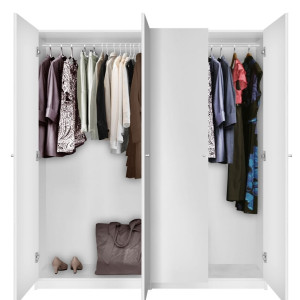
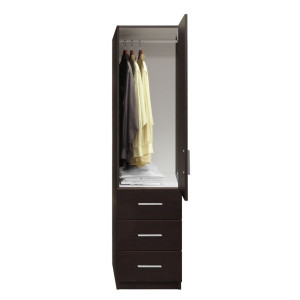
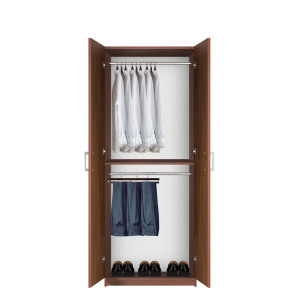
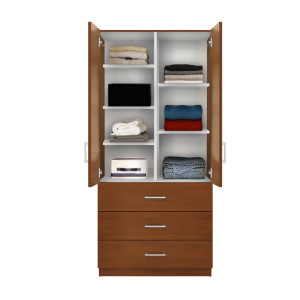
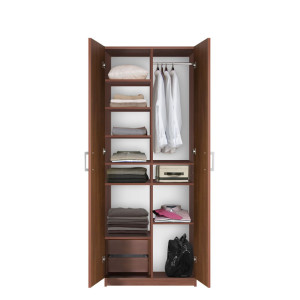
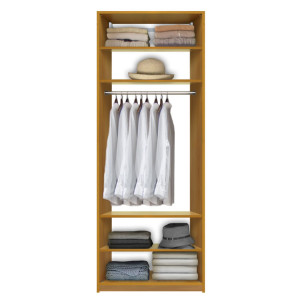
That unassembled wardrobe may cost less upfront than a fully assembled wardrobe, but there are other costs you may not have considered.
Tools and Physical Discomfort
While most flat-packed furniture includes the basic tools needed for assembly, these are typically low-quality, disposable items designed for one-time use. The included Allen wrenches and basic screwdrivers are often tiny, offering little leverage, and can cause significant hand strain, blisters, and frustration during longer assembly projects.
You might be tempted to use your power tools to speed up the process, but many manufacturers warn against using electric screwdrivers or drills in their instructions. Using power tools can strip screws, split particleboard, or void warranties. So you're often stuck with those uncomfortable, hand-cramping tools for hours on end.
The Transportation and Delivery Burden
Even when ordering online with "free shipping," the cost is typically built into the product price. And what many consumers don't realize until it's too late is that standard delivery usually means curbside drop-off. Those flat-packed boxes—which can weigh 50-150 pounds for larger pieces—are simply left at your doorstep or in your driveway.
This means you're responsible for:
- Moving heavy, awkwardly shaped boxes from the curb into your home
- Navigating these unwieldy packages through doorways, up stairs, and around corners
- Potential damage to your walls, floors, and doorframes during this process
For apartment dwellers, the challenge multiplies when elevators are small or out of service, requiring heavy boxes to be carried up multiple flights of stairs.
Missing or Damaged Parts
Then, there's the all-too-common problem of incomplete kits. According to consumer research and assembly forums, nearly 1 in 5 furniture kits arrive with missing hardware or damaged components. This means additional trips to the hardware store or waiting days (sometimes weeks) for replacement parts to be shipped, leaving you with half-assembled furniture cluttering your living space.
The Time Investment: Your Most Valuable Resource
Perhaps the most significant hidden cost is your time. The average flat-pack dresser takes 2-3 hours to assemble for someone with moderate experience. More complex pieces like entertainment centers or wardrobes can take 4-6 hours or longer.
And that's assuming everything goes smoothly. First-time assemblers often take twice as long as the estimated assembly time. Instructions can be confusing, parts can be misidentified, and mistakes happen. Many people report having to disassemble and reassemble sections multiple times to correct errors, further extending the time investment.
I sometimes imagine hiring myself to do the job: what is my time worth? Then, I multiply that by the number of hours the job will take.
The Physical Toll: Your Body Pays Too
Furniture assembly isn't just mentally taxing—it's physically demanding as well. Hours of bending, kneeling, and maneuvering awkward panels can lead to back strain, muscle fatigue, and even injuries.
The assembly process also requires space—often more than the finished piece will occupy. For apartment dwellers or those with limited floor space, finding enough room to lay out all components and work comfortably adds another layer of difficulty.
Then there's the stress factor. In a survey by the Home Furnishings Association, 67% of respondents reported experiencing significant frustration during furniture assembly, with 28% saying they had arguments with partners or family members during the process.

Quality Concerns: The Compounding Costs of DIY Assembly
Even after investing the time and effort to complete assembly, quality issues often persist, affecting the appearance and longevity of your furniture.
Misaligned Components and Structural Issues
One of the most common problems with self-assembled furniture is misalignment. Particleboard and MDF components often have pre-drilled holes that don't precisely align, requiring you to either force the components together (potentially damaging them) or leave connections loose (compromising stability).
When holes don't align perfectly, the entire structure suffers. Doors may not close properly, drawers might stick or hang unevenly, and shelves can bow under normal weight loads. These issues tend to worsen over time as the furniture is used.
Incorrect or Confusing Instructions
Most of us have experienced the frustration of nearly completing a piece only to realize we've misinterpreted a vague diagram on page 2. The notorious wordless, illustration-only instructions that accompany most flat-pack furniture can be ambiguous and confusing.
In some cases, the instructions themselves contain errors—either showing incorrect part numbers, omitting steps, or showing impossible configurations. By the time you discover these issues, you've often already completed significant assembly, requiring extensive backtracking and disassembly, which can further weaken the components.
The Over/Under Tightening Dilemma
Achieving the right tension for screws and fasteners is an art that most casual furniture assemblers haven't mastered. Overtightened screws can strip threading, crack panels, or cause splitting along edges. Undertightened connections create wobbling, instability, and premature failure.
Factory assembly uses precise torque specifications and specialized equipment to ensure perfect fastener tension, which is impossible to replicate with a manual Allen wrench and sore wrists.
Safety Concerns
Improperly assembled furniture presents legitimate safety hazards—especially for taller pieces like bookcases, wardrobes, and entertainment centers. Incorrect assembly of these items has been linked to tip-over accidents, which cause thousands of injuries annually, particularly to children.
Voided Warranties
Many manufacturers explicitly state that improper assembly voids the product warranty. This means that if your DIY assembly results in structural problems, even due to unclear instructions or misaligned components, you may have no recourse for replacement or repair.
The "Almost Done" Nightmare
Perhaps the most demoralizing assembly experience is the "almost done" scenario. You've spent hours following instructions, carefully sorting hardware, and meticulously connecting panels. You're on the final steps when you realize something is wrong—a critical piece is backward, you've used the wrong screws earlier in the process, or the instructions had a crucial error.
Now you face an agonizing choice: disassemble much of your work to fix the problem (potentially causing damage in the process), or live with a compromised piece of furniture that may never function correctly. Either way, the frustration can be overwhelming, turning what should be an exciting new furniture purchase into a regrettable experience.
The Professional Assembly Alternative: A Middle Ground?
Some consumers opt for a middle path: purchasing unassembled furniture but hiring professionals to put it together. This approach eliminates the personal time and physical strain, but comes with its own costs.
Professional assembly services typically charge $75-150 per piece, depending on complexity. You'll also need to schedule and wait for their availability, which can mean living with boxes of components in your home for days or even weeks.
When you add these professional assembly fees to the original purchase price, the total often approaches or exceeds the cost of buying fully assembled furniture in the first place—without the quality assurance of factory assembly.
And even a professional can't solve many of the issues we've talked about. You could be struck paying for the assembly and still have issues.

The Fully Assembled Advantage
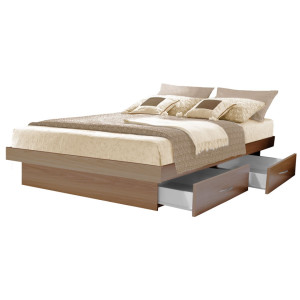
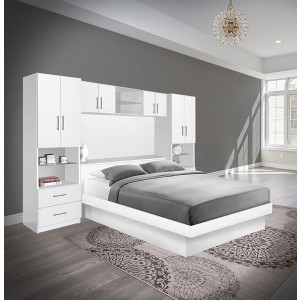
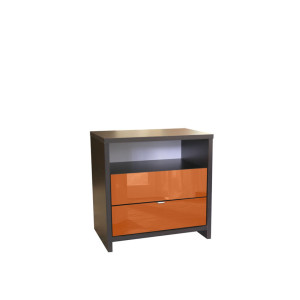
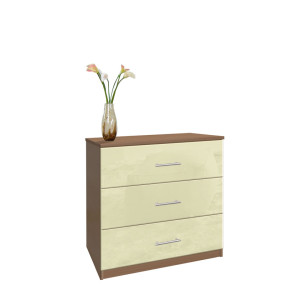
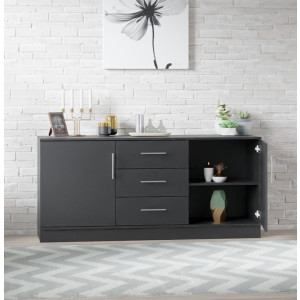
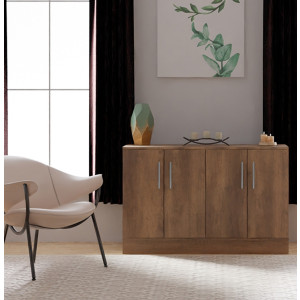
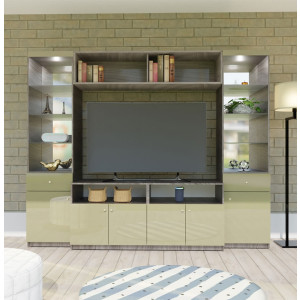
Fully assembled furniture—like pieces from Contempo Space—eliminates these hidden costs. There's no time investment beyond selecting your custom options. There's no physical strain, no risk of improper assembly, and no waiting with boxes cluttering your home.
Our white-glove delivery service brings your furniture directly to your space, positions it exactly where you want it, and removes all packaging materials. From the moment of delivery, your furniture is ready to use and enjoy with a satisfying feeling of safety and security.
Moreover, factory assembly and professional set up ensure that every joint, hinge, and connection meets professional standards. This translates to furniture that lasts longer, functions better, and provides greater long-term value.
Making the Right Choice for Your Situation
Unassembled furniture does make sense in certain scenarios. If you're on an extremely tight budget, need temporary furnishings, or genuinely enjoy the assembly process as a hobby, this might justify the additional long-term costs.
However, when all costs are considered, fully assembled furniture typically offers better overall value for permanent, quality pieces that you'll use daily, such as bedroom sets, entertainment centers, and storage solutions.


The True Value Proposition
When evaluating furniture options, consider not just what you pay, but what you get in return:
- The value of your time saved
- The elimination of physical strain and stress
- The confidence in professional assembly quality
- The immediate enjoyment of your new furniture
- The longer furniture lifespan
Your home deserves furniture that arrives ready to enhance your life immediately—no tools, time investment, or frustration required. Our pieces are crafted in the USA and delivered with care, allowing you to experience the value of quality furniture without the hidden costs of assembly.
